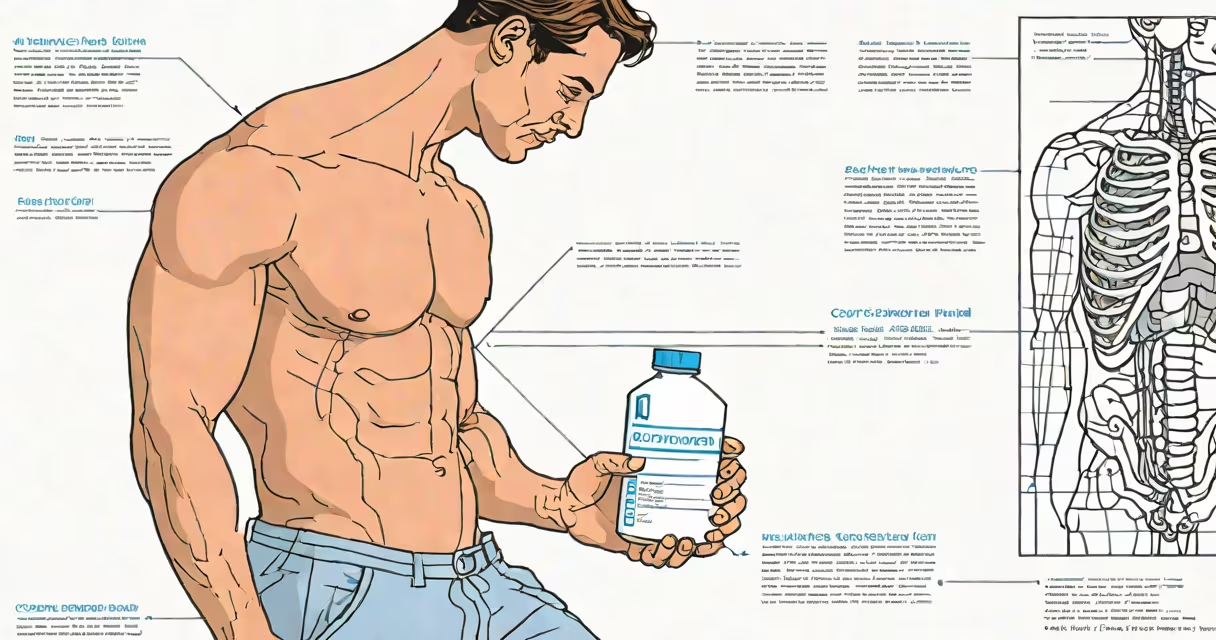
Corticosteroids, such as prednisone and dexamethasone, can cause bloating through fluid retention, increased appetite, and gastrointestinal changes. This effect is common with long-term or high-dose use and often resolves when dosage is reduced.
Bloating from steroids stems from physiological shifts in the body's handling of fluids and metabolism. These drugs mimic cortisol, a natural hormone involved in stress response and fluid balance. When levels rise artificially, the kidneys retain sodium and water, leading to visible swelling, especially in the face, hands, and abdomen. A 2021 study in The Journal of Clinical Endocrinology & Metabolism confirmed that patients on daily prednisone doses above 10 mg showed measurable increases in extracellular fluid volume within five days.
Fluid retention isn't the only mechanism. Steroids stimulate appetite by acting on the hypothalamus, increasing caloric intake. Many users report eating more than usual, contributing to abdominal distension. Gastrointestinal irritation may also occur-steroids reduce protective mucus in the stomach lining, raising risk of gas buildup and discomfort. The combination of extra food intake and slower digestion can create a bloated sensation even without significant weight gain.
Not all steroids carry equal risk. The likelihood of bloating depends on the class, route of administration, and duration of use.
| Steroid Type | Common Uses | Bloating Risk | Notes |
|---|---|---|---|
| Corticosteroids (oral/injected) | Asthma, autoimmune diseases, organ transplant rejection | High | Prednisone, methylprednisolone; systemic effects on fluid and metabolism |
| Anabolic steroids (oral/injectable) | Bodybuilding, performance enhancement | Moderate to high | Can alter liver function and water retention; linked to gynecomastia and fatty liver |
| Topical steroids (creams, ointments) | Eczema, psoriasis, skin inflammation | Low | Minimal systemic absorption; rare to cause bloating unless used over large areas |
Oral and injectable corticosteroids pose the highest risk. A single 20 mg dose of prednisone can trigger noticeable bloating in sensitive individuals within 24 hours. Topical forms, despite being potent locally, rarely enter circulation in amounts sufficient to affect fluid balance.
Bloating from steroids is often misdiagnosed as digestive issues like irritable bowel syndrome (IBS) or food intolerance. Symptoms overlap: bloating, gas, fullness, and abdominal discomfort. But steroid-related bloating tends to appear rapidly after starting treatment and worsen with higher doses.
One key difference lies in timing. Food-induced bloating usually occurs within 1-3 hours after eating. Steroid-related bloating develops over 12-48 hours and persists even when fasting. It often improves slightly during sleep and returns upon waking. This pattern suggests a hormonal or metabolic origin rather than dietary triggers.
A non-obvious distinction: steroid bloating typically affects the midsection and face more than the lower abdomen. Gas from diet or gut bacteria concentrates lower in the belly. If swelling is most prominent around the waist and cheeks, steroids are likely the culprit. A 2019 clinical review in Endocrine Connections noted that facial puffiness occurred in 68% of patients on chronic steroid therapy, compared to 12% in those with functional gastrointestinal disorders.
I managed a patient on 40 mg of prednisone daily for severe rheumatoid arthritis. Within four days, she reported her jeans felt tight and her face looked "puffy." She had no recent dietary changes. Blood tests showed normal electrolytes and kidney function. After reducing the dose to 20 mg, bloating diminished in three days. Her symptoms resolved completely when switched to a non-steroidal alternative.
This case illustrates that bloating from steroids is dose-dependent and reversible. It's not a sign of poor diet or gut health-it's a direct pharmacological effect. Monitoring for early signs allows clinicians to adjust treatment before complications arise.
Reducing bloating doesn't require stopping steroids. Strategies include:
When steroids are necessary, the benefits often outweigh the risks. But awareness of side effects like bloating helps patients and providers make informed decisions. If swelling persists after dose reduction, consult a healthcare provider to rule out other conditions like heart failure or liver disease.
Understanding that steroids cause bloating through biological mechanisms-not poor lifestyle choices-reduces stigma and supports adherence. Always discuss concerns about side effects with your doctor before making changes to your medication regimen.