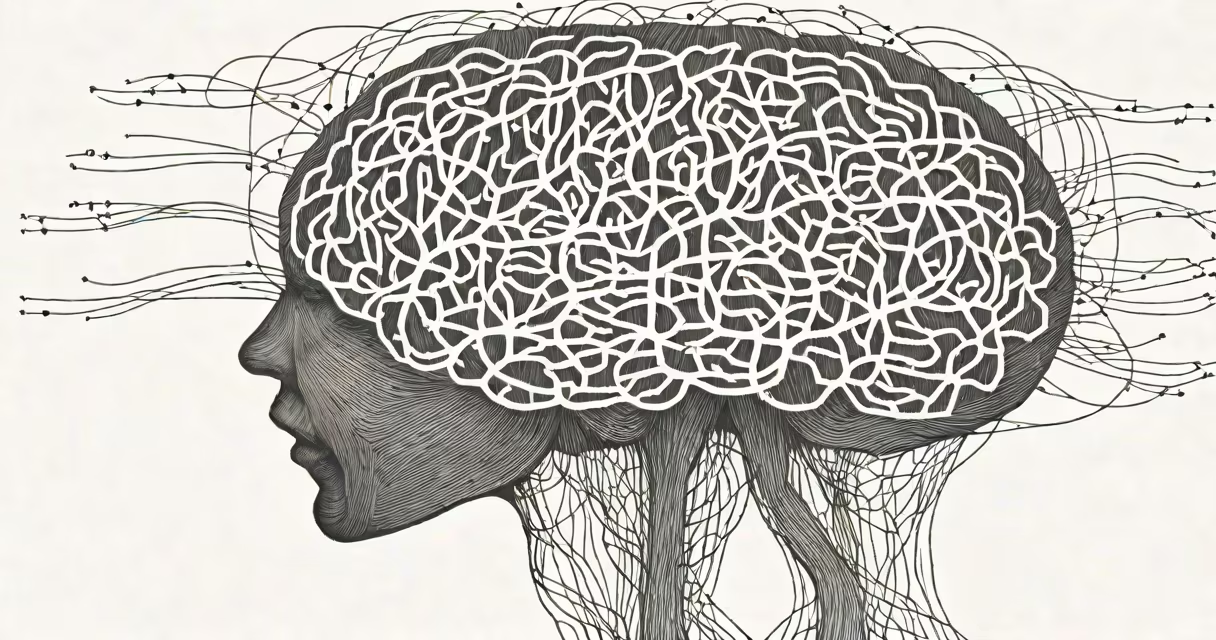
Cognitive meaning in English is the mental representation a word evokes-how it connects to concepts, experiences, and cultural associations beyond its dictionary definition. It's the internal image, feeling, or idea a word triggers in the mind.
This concept lies at the heart of cognitive linguistics, a field that studies how language reflects human thought. Unlike formal semantics, which treats meaning as logical structure, cognitive meaning focuses on how people actually understand words through lived experience.
For example, the word "home" doesn't just mean "a place where one lives." It carries emotional weight-safety, family, memory. A person raised in a rural village may associate "home" with open fields and barns, while someone from a city apartment may link it to subway rides and shared hallways. The cognitive meaning varies by personal history.
When you hear or read a word, your brain activates a network of related ideas, images, and emotions. This process happens instantly and unconsciously. It's not just about knowing a definition-it's about experiencing the word.
Research from the University of California, Berkeley, shows that brain regions involved in sensory perception light up when people process words related to physical sensations. For instance, hearing "crunchy" activates areas linked to tactile sensation, even if no actual crunch is present. This supports the idea that meaning is grounded in bodily experience.
Consider the word "light." In a physics context, it refers to electromagnetic radiation. But in everyday speech, "light" can mean "not heavy," "easy to carry," or "not serious." These meanings aren't arbitrary-they stem from shared human experiences with weight, texture, and mood. The cognitive meaning emerges from metaphorical mapping across domains.
Cognitive meaning isn't a single category. It includes several distinct but overlapping layers:
| Type | Description | Example |
|---|---|---|
| Conceptual | Core idea associated with a word, shaped by culture and experience. | "Freedom" may evoke protest marches in one country, personal choice in another. |
| Emotional | Feelings triggered by a word, often unconscious. | "War" brings anxiety or nostalgia depending on life history. |
| Contextual | Meaning shifts based on situation or surrounding words. | "Bank" means river edge in "river bank," but financial institution in "bank account." |
| Metaphorical | Extended meaning via comparison, often subconscious. | "Time is money" frames time as a valuable resource. |
These layers interact dynamically. A single word can carry multiple cognitive meanings simultaneously, depending on context and speaker intent.
Cognitive meaning explains why translations fail when taken literally. The word "cool" in English can mean "slightly cold," "fashionable," or "calm." Translating it as "frío" in Spanish loses nuance because the cognitive associations differ across cultures.
Language learning apps that rely solely on rote definitions often mislead learners. A student who memorizes "dog" as "a four-legged animal" may struggle to grasp idioms like "that dog won't hunt"-a phrase implying something is useless or unworkable. The cognitive meaning here involves social judgment, not biology.
In marketing, cognitive meaning drives brand perception. Apple's "Think Different" campaign didn't sell computers-it sold identity. The cognitive meaning of "Apple" became innovation, rebellion, and exclusivity. That's why users pay premium prices: they're buying a mental association, not just hardware.
Cognitive meaning is often mistaken for "connotation," but the two differ. Connotation refers to emotional associations attached to a word-like "snake" implying deceit. Cognitive meaning goes deeper: it includes the mental model behind the word, including imagery, logic, and embodied experience.
Another misconception is that cognitive meaning is subjective. While individual experience plays a role, research from MIT's Center for Language and Brain confirms that many cognitive patterns are shared across speakers. For example, most English speakers map "up" to positive states ("I'm feeling up") and "down" to negative ones ("I'm down"). This consistency suggests universal mental frameworks.
A lesser-known fact: cognitive meaning influences how we perceive grammar. Studies show that people judge sentences as "wrong" not because of syntax errors, but because the cognitive image they form feels unnatural. For instance, "The chicken is ready to eat" creates ambiguity-does the chicken want to eat, or is it being eaten? The cognitive dissonance makes the sentence feel off, even though it's grammatically correct.
Take the verb "break." Its dictionary definition covers several actions: shatter, interrupt, exceed limits. But the cognitive meaning differs dramatically by context.
"I broke my phone" implies loss and inconvenience. The mental image is a cracked screen, dropped from a pocket. The emotional weight is frustration or regret.
"She broke the record" evokes achievement. The listener imagines a runner crossing a finish line, crowd cheering. The cognitive meaning centers on success and surpassing limits.
"He broke up with her" brings sadness and closure. The mental picture may include tears, silence, or a packed suitcase. The emotional load is high.
Each use of "break" shares the same word but generates distinct cognitive meanings. This illustrates how context and experience shape interpretation far more than definitions alone.
I once taught English to a group of Japanese students using only flashcards with definitions. They could recite "sorrow" as "deep sadness," but couldn't recognize it in a poem about a lost pet. When I showed them a photo of a child crying over a dead bird, their understanding shifted instantly. The cognitive meaning-grief tied to memory and loss-wasn't in the dictionary. It was in the image.
This moment confirmed that teaching language requires engaging mental models, not just vocabulary lists.
Similarly, alibaba in Western contexts evokes e-commerce, scale, and global reach. But in Chinese culture, it refers to a legendary figure known for generosity and wisdom. The cognitive meaning is culturally specific and layered.
These examples show that cognitive meaning isn't abstract-it shapes decisions, relationships, and identities.
Cognitive meaning in English is not just how words are defined. It's how they live in the mind-shaped by emotion, memory, metaphor, and shared experience. Recognizing this helps us communicate more, learn languages more effectively, and understand others better.